
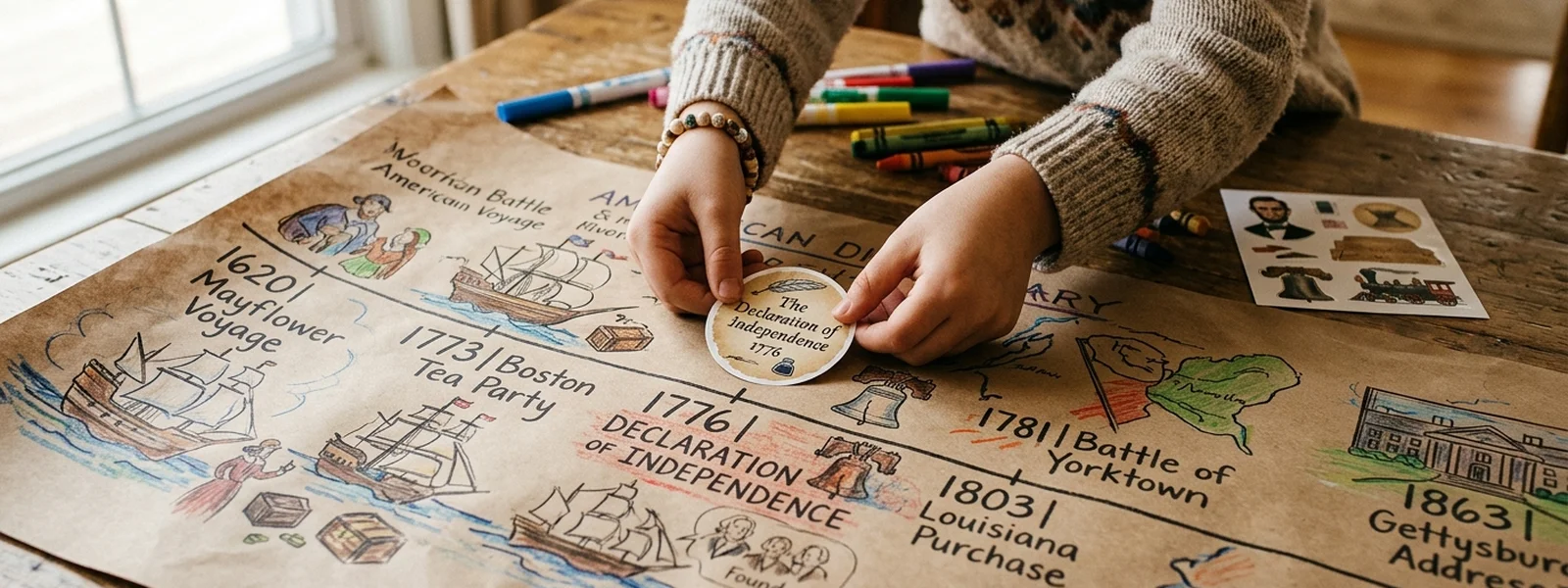
The Original Thirteen: A Foundation for America
As we gear up for America's Semiquincentennial in 2026, it's a perfect time to revisit the very roots of this nation: the 13 original colonies. These thirteen distinct entities, each with its own character and motivations, came together to form the United States. Understanding their unique histories and contributions is key to appreciating the incredible journey America has taken over the last 250 years.
These colonies weren't just random settlements; they were the crucible where American ideals began to form. From the rocky shores of New England to the fertile plains of the South, each colony played a vital role in shaping the nation we know today. As we celebrate this monumental anniversary, let's take a closer look at these founding thirteen.
New England Colonies: Faith, Fishing, and Fierce Independence
The New England colonies were largely founded on religious principles and a desire for self-governance. Life here was often challenging, shaped by harsh winters and a landscape that demanded hard work and ingenuity. Despite the hardships, these colonies fostered a strong sense of community and a pioneering spirit that would become a hallmark of American identity.
Massachusetts: The Puritan Stronghold
Founded by Pilgrims seeking religious freedom in 1620 with the Mayflower Compact, Massachusetts Bay Colony quickly became a center for Puritan life. Boston, its major settlement, grew into a bustling port and a hub of religious and political thought. While seeking freedom for themselves, the Puritans established a society with strict rules, but their emphasis on education and self-governance laid important groundwork.
New Hampshire: From Massachusetts to Independence
Originally part of Massachusetts Bay, New Hampshire was established as a separate royal colony in 1679. Its economy was built on timber, fishing, and trade, mirroring its northern neighbor. While it had a more diverse population than early Massachusetts, it shared the New England spirit of hard work and self-reliance.
Rhode Island: A Haven for Dissenters
Roger Williams, banished from Massachusetts for his controversial views, founded Rhode Island in 1636, establishing Providence. He championed religious tolerance and the separation of church and state, creating a unique sanctuary for those seeking refuge from religious persecution. This commitment to liberty and tolerance became a cornerstone of Rhode Island's identity.
Connecticut: Order and Opportunity
Founded in 1636 by Thomas Hooker, Connecticut offered fertile land and a more moderate religious climate than Massachusetts. The Fundamental Orders of Connecticut, adopted in 1639, are often considered the first written constitution in North America, showcasing an early commitment to structured self-government.
Middle Colonies: Diversity, Trade, and Tolerance
The Middle Colonies were a vibrant mix of cultures, languages, and religions. Their strategic locations and fertile lands made them economic powerhouses, particularly in agriculture and trade. This region was characterized by a greater degree of tolerance and a more cosmopolitan atmosphere than the more religiously homogenous New England colonies.
New York: Dutch Roots, English Control
Originally founded as New Amsterdam by the Dutch, New York was seized by the English in 1664. It became a crucial center for trade, boasting a diverse population that spoke numerous languages. Its strategic harbor and the Hudson River made it vital for commerce, a role it continues to play today.
Pennsylvania: Penn's Woods and Prosperity
William Penn founded Pennsylvania in 1681 as a haven for Quakers and those seeking religious freedom. Penn's "Holy Experiment" emphasized tolerance, fair treatment of Native Americans, and representative government. Philadelphia, its capital, became one of the largest and most prosperous cities in the colonies, a center of learning and commerce.
New Jersey: A Divided Colony
Originally split into East and West Jersey, the colony was reunified as a royal colony in 1702. Its economy thrived on agriculture and trade, benefiting from its location between the major ports of New York and Philadelphia. New Jersey was known for its diverse population and religious freedom.
Delaware: The "Three Lower Counties"
First settled by the Swedes and Finns, Delaware was later claimed by the Dutch and then the English. It was governed by Pennsylvania for many years but maintained its own assembly, eventually becoming known as the "Three Lower Counties." Its economy was largely agricultural, with significant timber and shipbuilding industries.
Southern Colonies: Agriculture, Slavery, and Aristocracy
The Southern Colonies developed economies heavily reliant on large-scale agriculture, particularly cash crops like tobacco and rice. This agricultural model, especially in the later years, became intertwined with the institution of slavery, shaping the social, economic, and political landscape in profound ways. These colonies often had a more hierarchical social structure compared to the North.
Virginia: Jamestown and Tobacco
Established in 1607 at Jamestown, Virginia, it was the first permanent English settlement. Initially focused on finding gold, the colony eventually found its economic salvation in tobacco cultivation. Virginia developed a wealthy planter class and a representative assembly, the House of Burgesses, the oldest in English North America.
Maryland: A Catholic Refuge
Founded in 1632 by Lord Baltimore as a proprietary colony, Maryland was intended as a refuge for English Catholics. While it offered religious tolerance through the Maryland Toleration Act of 1649, it also developed a plantation economy based on tobacco, similar to Virginia.
North Carolina: Small Farms and Naval Stores
Settled by Virginians and others seeking more land, North Carolina developed a more independent spirit than its southern neighbor. Its economy was based on small farms and the production of naval stores (tar, pitch, turpentine) from its vast pine forests. It was known for its self-sufficient farmers and resistance to authority.
South Carolina: Charleston and the Plantation System
Established in 1663, South Carolina developed a plantation economy centered on rice and indigo. Charleston (originally Charles Town) became a major port and a center of wealth and culture, but also a hub for the slave trade. The colony developed a distinct aristocratic society.
Georgia: The Buffer Colony
The last of the 13 colonies to be founded (1732), Georgia served as a buffer between the British colonies and Spanish Florida. It was initially established with ideals of providing a fresh start for debtors and prohibiting slavery, though these restrictions were eventually lifted. Its economy was agricultural, relying on rice and indigo.
The Road to Revolution
While each colony had its own identity, they increasingly found common ground in their opposition to British policies, especially after the French and Indian War. Issues like taxation without representation, restrictions on trade, and the quartering of troops united these disparate colonies. The shared experiences and growing sense of a common destiny paved the way for the Declaration of Independence.
As we look toward July 4th, 2026, remembering the unique stories of the 13 original colonies is more important than ever. They represent the diverse threads that were woven together to create the rich fabric of America. Understanding their contributions helps us appreciate the complexity and resilience that has defined this nation for 250 years. To dive deeper into the spirit of this era, explore some of our resources like 12 Patriotic Songs for Your 250th Anniversary Playlist or 50 Patriotic Quotes for the 250th Anniversary.

Published by EST 1776 Tees
Celebrating 250 Years of America
Frequently Asked Questions
What were the main economic differences between the New England and Southern colonies?
New England colonies focused on fishing, shipbuilding, trade, and small-scale farming due to their rocky soil and harsh climate. The Southern colonies, with their fertile land and warmer climate, developed large agricultural economies based on cash crops like tobacco, rice, and indigo, which became heavily reliant on enslaved labor.
Which colony was known for religious tolerance?
Rhode Island, founded by Roger Williams, was established with a strong emphasis on religious freedom and tolerance for all faiths. Pennsylvania, founded by William Penn, also welcomed diverse religious groups, including Quakers, Mennonites, and others seeking refuge.
Why were the Middle Colonies considered more diverse than others?
The Middle Colonies, including New York, Pennsylvania, New Jersey, and Delaware, attracted settlers from various European nations and religious backgrounds. Their economies were also diverse, encompassing farming, trade, and manufacturing, which fostered a more cosmopolitan and tolerant society.
What role did the 13 colonies play in the lead-up to the American Revolution?
As British policies, such as taxation without representation and trade restrictions, became more burdensome, the colonies began to unite. Shared grievances and a growing sense of common identity led them to coordinate their resistance, ultimately culminating in the Declaration of Independence and the Revolutionary War.
Which colony was the first permanent English settlement?
Jamestown, Virginia, established in 1607, was the first permanent English settlement in North America. It marked the beginning of sustained English colonization that would eventually lead to the formation of the thirteen original colonies.
What made Georgia unique among the Southern colonies?
Georgia was the last of the thirteen colonies to be established and initially served as a buffer zone against Spanish Florida. It was founded with specific social objectives, including providing a fresh start for debtors and initially prohibiting slavery, though these restrictions were later lifted.
New Heritage Designs Drop Weekly
Be the first to see new 1776 tees, stories from America's founding, and score members-only deals.